Pocket Pilots License Progression
Earn the tickets that unlock bush planes, twins, turboprops, jets, tilt-rotors, and helicopters.
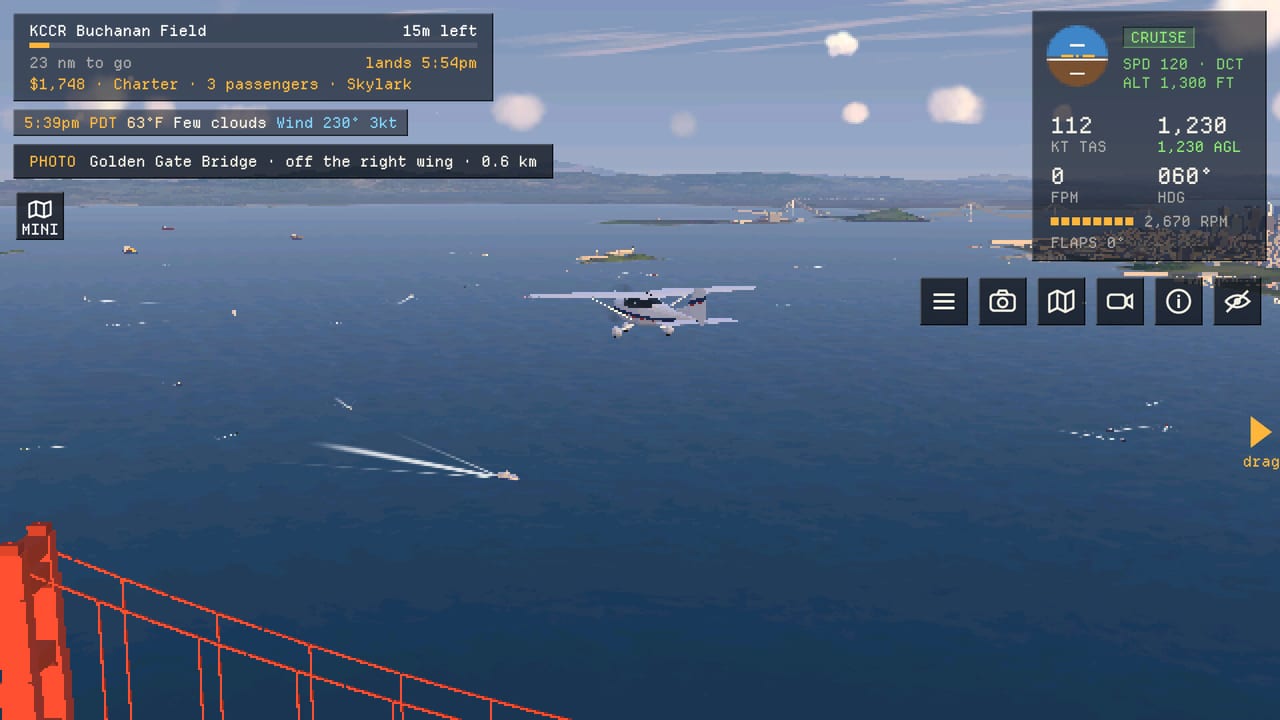
Licenses are the career spine of Pocket Pilots. Cash buys the airframe; the right ticket lets you fly it. From the first hours in a Skylark through bush country, twins, turboprops, jets, tilt-rotor types, and a full helicopter ladder, every major hangar milestone is gated by ratings you earn in the logbook. This guide explains how to treat licenses as a planned progression instead of a surprise lock on the buy button.
Why licenses matter
The shop shows tempting planes early. Without the matching license, that Swallow-class speedster or twin charter hauler stays locked. Licenses also shape which job board entries you can accept — especially specialized pad work for helicopters and advanced categories for heavier jets. Awards and a full logbook of every flight feed the sense of a real career; licenses are the formal stamps on that story.
Think of money and licenses as dual currencies. The Make Money loop fills one; disciplined flying fills the other. Balancing both keeps upgrades on schedule.
The fixed-wing climb
NimbleBit describes the career arc clearly: earn licenses and work up from bush planes through twins and turboprops to jets. In practice, treat the ladder like this:
Early / bush
After the Skylark tutorial phase, bush-oriented ratings open short-field and remote work. Airframes in the bush family reward pilots who enjoy smaller strips and scenic backcountry. Pair bush tickets with home airports that have interesting terrain nearby — alpine and coastal starts from Getting Started already put you close to memorable routes.
Twins
Twin ratings unlock multi-engine light and utility types with more seats and payload. This is where company charters start to feel serious: more passengers per landing means fatter checks when the board is full. Plan twin unlocks alongside a savings target from Buying Planes.
Turboprops
Turboprop licenses bring regional workhorses — think efficient multi-dozen-seat props suited to short hops and busy corridors. They bridge the gap between light twins and true jets. When event weeks favor regional density, a turboprop rating plus the right hull is a strong combo.
Jets
Jet ratings unlock personal jets, regional jets, and eventually heavy metal. Fleet examples across updates include light personal jets that still accept shorter strips, regional types in the ~50-seat band, four-engine short-field specialists, and wide-body / jumbo class airframes for ocean-spanning fantasy over the real map. Each step needs both the ticket and a bankroll that matches.
Tilt-rotor
The dedicated tilt-rotor rating landed with patch v1.0.40 (covered in November Patches). Treat tilt-rotor as a specialized bridge between airplane routes and vertical-pad thinking — unlock it when you want hybrid mission flexibility beyond classic runways. Pair the grind with night-flying and map-marker QoL from the same November window so hybrid legs are easier to plan on the real-world map.
Helicopter ratings
Helicopters are a full parallel career. Ratings let you fly the Hummingbird (light three-seater), Kingfisher (turbine five-seater), Thumper (1969 utility), Petrel (twin-turbine twelve-seater), and Stork (twin-rotor heavy: thirty seats or ten tonnes slung). Pads on hospitals, oil rigs, ships, and rooftops appear once you can legally take those jobs.
Deep fleet notes live in Helicopters. License-wise, plan rotary unlocks when your fixed-wing income is stable enough to fund a second fleet line — or sooner if pad contracts in your region look richer than runway work.
How to earn progress efficiently
Licenses advance through flying — logged jobs, hours, and career milestones. Optimize by:
- Flying legal variety — mix charters, scenic tours, and cargo so the logbook shows breadth.
- Finishing what you start — real-time flights only help when they land and pay; queue jobs you will complete.
- Matching airframe to rating goals — if you are chasing twin hours, spend sessions in twin-capable hulls once unlocked rather than only revisiting the Skylark.
- Using events — weekly world events encourage focused flying that also fills the logbook. See Companies for shared event pushes.
- Watching updates — new ratings (tilt-rotor from v1.0.40, expanded helicopter rules) arrive in patches; skim November Patches and the Updates Hub so you know what to grind next.
Sync licenses with purchases
A common frustration is maxing cash for a plane that still shows a license lock. Avoid it with a simple rule: identify the next hull, note its license, grind that ticket to completion, then spend. Keep a small cash buffer after unlock so the first week in the new type includes practice flights instead of empty tanks of regret.
Company shared fleets can let a licensed friend operate a hull while you finish your own rating — useful, yet personal licenses still matter for solo sessions and for jobs that require you in the left seat.
Logbook, awards, and motivation
Open the logbook often. Seeing airports visited, night landings, and photo moments reinforces why the career feels grounded in a real world with live weather. Awards mark streaks and milestones; chase them when they align with license goals, not as pure side quests that pull you off the earning loop.
Suggested unlock order for new careers
Exact names and XP thresholds can shift with balance patches, but this order serves most pilots:
- Master Skylark basics and early board literacy (Getting Started).
- Complete early / bush ratings while saving for a speed-focused light upgrade (Buying Planes).
- Unlock twins as charter demand outgrows light singles.
- Add turboprop when regional boards and event weeks reward denser seats.
- Enter jets when cash and ambition align; keep heavy metal for late career.
- Slot tilt-rotor when you want hybrid missions.
- Parallel-track helicopter ratings when pads and scenic vertical routes call.
Cross-links for the next step
- Need cash for the exam fees of progress? Make Money.
- Ready to spend after a unlock? Buying Planes.
- Going vertical? Helicopters.
- Sharing the grind? Companies.
- UI reminders for logbook and hangar? Controls.
Licenses turn Pocket Pilots from a single-plane toy into a long career over the real Earth. Fly with intent, log every landing, and let each new stamp open a wider sky — bush strips today, turboprop corridors tomorrow, jets and rotors when the logbook says you are ready.
Frequently Asked Questions
Quick answers for Pocket Pilots careers, fleets, and companies.
What license path does Pocket Pilots follow?
Careers progress through bush planes, twins, turboprops, and jets, with additional tilt-rotor and helicopter ratings for specialized aircraft.
Can I buy a plane before I have its license?
You need the matching license to operate higher-class aircraft. Grind the rating first, then spend the hangar fund on the unlock.
Do helicopters use separate licenses?
Yes. Helicopter ratings unlock rotary types from the light Hummingbird up through heavy lifters like the Stork, plus pad-based jobs.
How do I track license progress?
Use your logbook, awards, and career panels in-game. Regular completed flights in the relevant category push the next stamp forward.
Should companies share license grinding?
Friends can share planes and bases, but each pilot still benefits from earning personal ratings for solo play and restricted job types.