Pocket Pilots Regional Jets & Mid-Fleet Metal
Swift, Zephyr, Pelican, and Heron—the bridge from bush twins to Condor-class heavies.
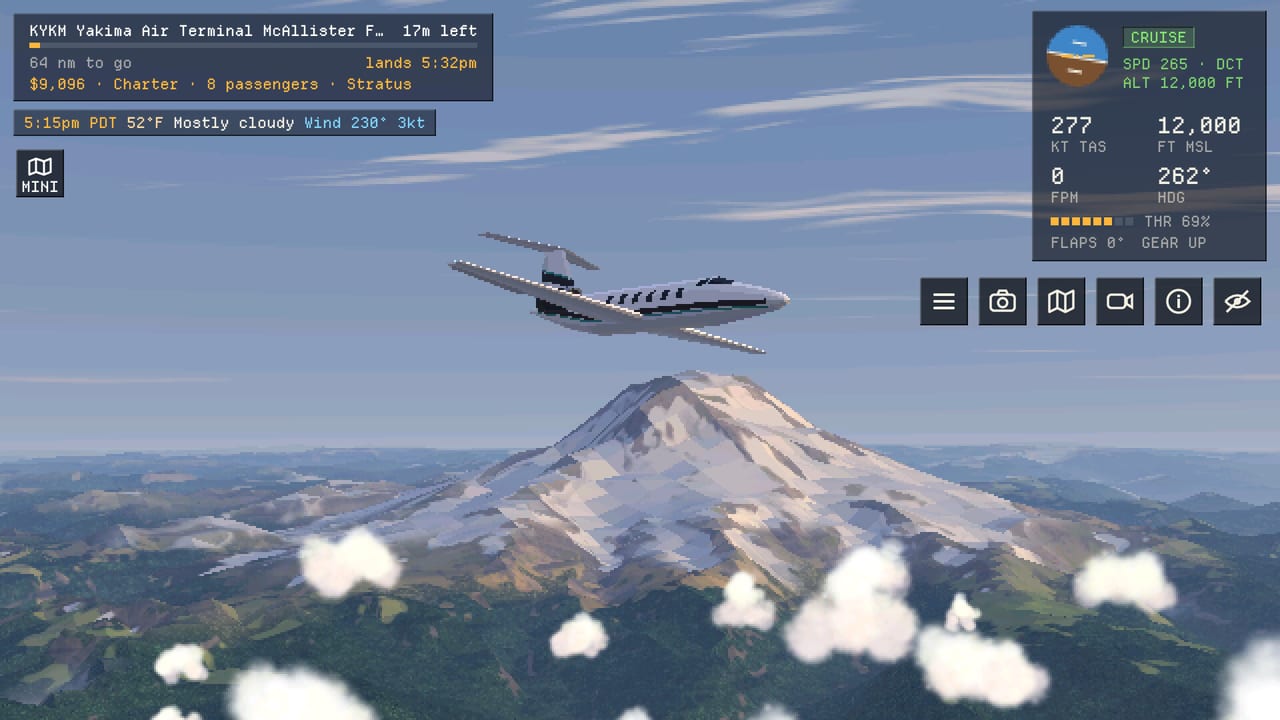
Mid-fleet regional and specialty jets are where Pocket Pilots careers stop feeling like bush camping and start feeling like an airline notebook. NimbleBit’s drops highlight four names you will see again and again: Swift, Zephyr, Pelican, and the turboprop airliner Heron. None of them are Condor-class jumbos, and that is the point. They bridge bush planes and twins into the heavy jet band covered on Heavy Jets, fill seats that light aircraft cannot, and still fit fields that punish Albatross-sized dreams. Rank them against the wider roster on Best Planes, shop with Buying Planes, and confirm tickets on Licenses. Other patch notes live on the Updates Hub.
Why the mid-fleet matters
Early upgrades chase speed (Swallow) or bush manners (Bushmaster). Late heavies chase spectacle and hub volume. Regional metal answers the awkward middle:
- City pairs too thick for a five-seat tourer but too thin for a 300-seat wide-body.
- Short or steep runways that still want jet or fast-turboprop schedules.
- Company fleets that need a daily driver while saving for Condor, Albatross, or Kestrel.
- Solo pilots who want airliner habits without bankrupt empty jumbos.
Buy regionals when your licenses and cash say you are ready — not because a trailer silhouette looked cool for ten seconds.
Swift — personal jet for five, short strips
Swift is the personal jet fantasy: about five seats, comfortable with short strips, perfect when you want jet sound and climb without hauling a regional cabin. Use Swift for:
- Fast positioning between company bases.
- Premium-feeling scenic or charter hops that do not need fifty seats.
- Teaching jet manners before Zephyr-scale dispatch.
- Event weeks at landmark fields where a jumbo would be rude.
Swift is a poor substitute for Zephyr when the board is full of dense passenger runs. It is an excellent substitute when the board is thin, the strip is short, or you need to be somewhere else before the evening ends. Many companies keep one shared Swift as the courier while larger hulls stay on trunk routes.
Zephyr — ~50-seat regional jet
Zephyr is the textbook regional: around fifty seats, built for the city-pair rhythm that defines mid-career money. When your home region has reliable passenger volume and honest runway length, Zephyr often becomes the first plane that feels like a schedule, not a sightseeing toy.
Fly Zephyr when:
- You can fill a meaningful share of those ~50 seats most legs.
- Licenses already allow jet work and cash can survive a quiet day.
- Company mates can help keep it busy across time zones.
Skip or delay Zephyr if your bases are still pure bush strips or if you are one license short and would rather finish the ticket than own a parked regional. Empty regionals teach expensive lessons.
Pelican — four engines, ~85 seats, short steep runways
Pelican is the specialty play: four engines, roughly eighty-five seats, and a sales pitch aimed at short, steep runways. It steals jobs from underfilled heavies and from airports that look “too spicy” for ordinary regionals. Think of Pelican as the problem-solver when geography is the boss.
Good Pelican doctrine:
- Verify your actual job board offers work that needs that field performance.
- Stage it near mountainous or constrained hubs rather than forcing it into endless long-runway trunk work a Zephyr could do cheaper.
- Share it in a company if the purchase hurts; one Pelican beats three half-used copies.
Pelican is not automatically “better than Zephyr” because the seat count is higher. Better means matched to the strips and demand you actually fly.
Heron — ~76-seat turboprop airliner
Heron is quick for a prop, frugal on short hops, and marketed with multiple liveries plus showcase energy over places like Seattle, Toronto, and the Forth Bridge. At roughly seventy-six seats it overlaps Zephyr’s regional mission while keeping turboprop economics and vibes. Official shorts lean hard into that airliner-on-a-budget fantasy.
Use Heron when:
- Your region is dense with short city pairs.
- You want airliner dispatch practice before true heavies.
- Fuel-of-progress thinking matters more than pure jet prestige.
- Liveries and company branding matter — three schemes give identity without waiting for Condor paint debates.
Keep Heron even after heavies arrive. Jumbos should not be burning time on hops Heron was born to eat. The Heavy Jets page already frames Heron as the bridge; this update page is where you decide buy order relative to Swift, Zephyr, and Pelican.
Bridging bush/twins and Condor-class heavies
A healthy fixed-wing ladder looks less like a single leap and more like steps:
- Skylark classroom hours.
- Swallow or Bushmaster early upgrade.
- Twins and bush expansion as licenses allow.
- Heron / Zephyr / Pelican / Swift mid-fleet — this page.
- Kestrel / Albatross / Condor heavies when hubs and fill rates exist.
Skipping step four is how careers stall: pilots buy Condor, stare at empty seats, and wonder why the trailer lied. Mid-fleet metal teaches fill rates, hub selection, and schedule rhythm. Use Airport Picker to nominate bases that love regionals before you nominate bases that only love jumbos.
Helicopters remain a parallel track for pads and ships; they do not replace Zephyr on a full city pair. Mix tools instead of worshipping one silhouette.
Buying order advice
Exact shop prices move with patches, but decision order stays stable:
- Licenses first — confirm jet or turboprop tickets before tapping buy (Licenses).
- Swift if you need a short-strip personal jet and courier role.
- Heron or Zephyr as the first true regional workhorse — pick Heron for short-hop frugality and turboprop character, Zephyr for classic regional-jet schedules.
- Pelican when constrained runways and ~85-seat demand show up on your board.
- Heavies later — only with hub discipline and preferably company fill (Heavy Jets).
Solo pilots should bias toward the smallest regional that stays full. Companies can specialize: one Zephyr trunk, one Pelican mountain spare, one Swift courier, Heron on the short hops.
Company sharing
Regionals are ideal shared assets. They are expensive enough that duplication hurts, useful enough that idle time is obvious on the map markers after the November QoL wave. Agree on:
- Who may dispatch the Zephyr overnight.
- Which scenic base hosts Pelican versus which hub hosts Zephyr.
- Whether Heron liveries are house colors or personal flair.
- When the group graduates savings from regionals into Kestrel or Condor.
Invite pitches that mention a living mid-fleet attract pilots who want to fly this week, not only dream about jumbos next season.
Related reading
- Shop timing and barn-find balance — Buying Planes
- Ticket gates — Licenses
- Late-game metal — Heavy Jets
- Rankings — Best Planes
- Base research — Airport Picker
- Patch index — Updates Hub
Bottom line
Swift, Zephyr, Pelican, and Heron are the mid-career spine of Pocket Pilots’ fixed-wing fantasy. They bridge bush and twins into Condor country, teach airliner habits, and keep short or steep fields honest. Buy the license, match the airframe to your runways and fill rates, share the expensive ones, and keep a smaller plane ready for everything a regional should never waste time on.
When the next fleet short drops another silhouette over a famous bridge, ask the same questions this page asks: seats, engines, field manners, overlap with what you already own, and whether your company can keep it full.
Frequently Asked Questions
Quick answers for Pocket Pilots careers, fleets, and companies.
What regional and specialty types does this update cover?
Swift (five-seat personal jet), Zephyr (~50-seat regional jet), Pelican (four engines, ~85 seats, short steep runways), and Heron (~76-seat turboprop airliner).
Should I buy Zephyr or Heron first?
Choose Heron for frugal short hops and turboprop character; choose Zephyr for classic regional-jet city pairs. Both beat jumping straight to empty heavies.
Is Pelican always better because it has more seats?
No. Pelican shines on short steep runways and specialty geography. On ordinary long-runway trunks, a fuller Zephyr can earn cleaner money.
Do I need a jet license for these planes?
Jet and turboprop classes are license-gated. Confirm the matching ticket on the Licenses guide before spending hangar cash.
How do regionals relate to Condor, Albatross, and Kestrel?
Regionals are the bridge. They teach fill rates and hub habits so heavy jets arrive as tools you can feed, not trophies that sit idle.