Pocket Pilots Choosing Your Home Airport
Match runways, scenery, and job mix to Skylark starts, jets, and helicopter pads.
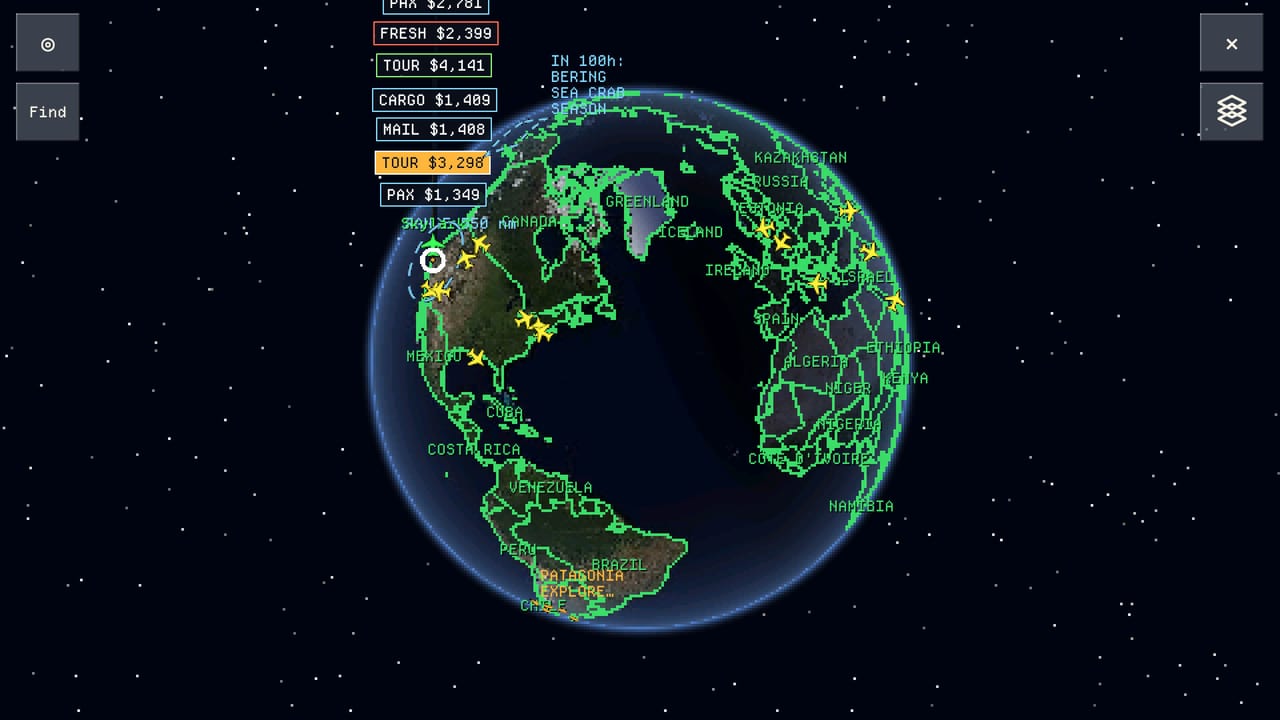
Your home airport is the first long-term build decision in Pocket Pilots. Official copy invites you to start with a Skylark and $2,500 at San Diego, Queenstown, the Swiss Alps, or any of thousands of real airfields. The map uses real terrain; weather is live; night landings happen when flights run late. Pick a field that feeds the career you want—not only the prettiest screenshot. This guide compares starter regions, runway vs pad logic after helicopters, and how companies should multi-home. Continue fleet planning on Best Planes and Best Helicopters.
What a good home gives you
- A job board dense enough for your current licenses
- Runway length (or pads) that match the planes you own
- Scenery you actually want to watch in real time
- Reasonable bridges to company hubs and weekly event regions
- Weather variety you enjoy rather than endure
You can operate away from home, but your first field shapes early cash and habits. Jumps from Pilots Club can relocate you later; they should not be the plan for every mistake.
Starter region snapshots
San Diego and similar coastal hubs
Coastal California-style starts favor learning traffic patterns, mixed coastal weather, and access to a broader North American network as you unlock faster planes. Choose San Diego-like homes if you want a balanced tutorial: enough scenery to care, enough infrastructure to grow into twins and jets without immediate mountain drama.
Fly here when: you are new, you want jet growth paths, or your company needs a sunny hub.
Queenstown and alpine-adjacent scenic fields
Queenstown represents the “wow scenery” starter. Mountains, lakes, and tourist energy make scenic tours sing—especially once helicopters arrive. Short or demanding approaches may punish early heavy jets; they reward Bushmaster-class utility, Swift-style short-strip jets, and rotors.
Fly here when: you prioritize sightseeing, photo tips on famous sights, and rotor careers highlighted in the Helicopters Update.
Swiss Alps and high mountain country
Alps starts are postcard fuel and operational spice. Live weather matters: snow mornings and valley winds teach patience. Pads and short fields make Hummingbird / Kingfisher valuable. A pure Condor lifestyle will want a second lowland hub.
Fly here when: you love mountain flying and accept that heavies need partnership bases.
Other scenic regions worth considering
NimbleBit marketing also showcases places like Grand Canyon corridors, Kauai’s Nā Pali cliffs, Norwegian fjords, and landmark city approaches (think Golden Gate drama for big metal shots). You do not have to live there permanently—stage tour airplanes or helicopters for events, then return home.
Match airport to fleet stage
| Career stage | Prefer | Avoid as only home |
|---|---|---|
| Skylark / early | Friendly coastal or regional fields | Ultra-remote strips with thin boards |
| Bush / utility | Short-field regions, islands, mountains | Mega-hubs with no bush work |
| Turboprop / regional jet | Dense city pairs | Isolated tourist strips only |
| Heavies | Long-runway international hubs | Pad-only scenic villages |
| Helicopters | Pad-rich cities, rigs access, valleys | Runway-only deserts with no vertical jobs |
Revisit this table after buying Pelican, Heron, or Stork—your “perfect” home can shift.
Company multi-basing
Serious companies should not force every member into one tile:
- Nominate a jet hub (San Diego-class or larger international).
- Nominate a scenic / rotor hub (Queenstown, Alps, canyon, or fjord country).
- Let personal homes fill the gaps members love.
- Write dispatch rules for moving shared heavies between hubs.
- Recruit with clear geography on the Codes Hub posts so joiners know the footprint.
Practical picker checklist
- Zoom the real-world map and imagine winter mornings—do you still like it?
- Check early job types: charter, scenic, cargo mix.
- Note nearby alternate fields for weather diversions and variety.
- Ask whether helicopters or short-strip jets will matter to you within a month.
- Confirm friends’ bases before you settle if you already have a company invite.
- Start flying; if the board feels dead after honest effort, relocate deliberately rather than jump-spamming.
Scenic vs efficient: you can have both
Many pilots keep a beautiful personal home and treat the company hub as the office. Launch a scenic Hummingbird tour in the evening; let a Zephyr grind regional seats from the shared hub overnight. Real-time flights enable that split personality without needing two accounts.
Related reading
- Tools Hub
- Pilots Club for relocation costs
- Players Hub for event-driven travel
- Aircraft Tier List Hub for what to station at each base
- Links Hub to jump into the live client and look around before committing
Your airport is more than a spawn point—it is the biome of your Pocket Pilots story. Pick San Diego to learn, Queenstown or the Alps to stare at mountains, and add hubs as your licenses and friendships grow.
Frequently Asked Questions
Quick answers for Pocket Pilots careers, fleets, and companies.
What starter airports does Pocket Pilots mention?
Examples include San Diego, Queenstown, and the Swiss Alps, plus thousands of other real airfields worldwide.
Can I change home airports later?
You can operate from other fields and use jumps to relocate planes. Treat your first choice seriously, but it is not a permanent prison.
Best airport for helicopters?
Pad-rich scenic regions—Alps, canyon country, island cliffs, or cities with rooftops—beat runway-only hubs for rotor careers.
Best airport for heavy jets?
Long-runway international-style hubs. Pair them with a scenic secondary base for fun flying.