Pocket Pilots November 2026 Patches & Steam Launch
Versions 1.0 (40) and 1.0 (41), tilt-rotor tickets, night flying, map markers, and ship helipads.
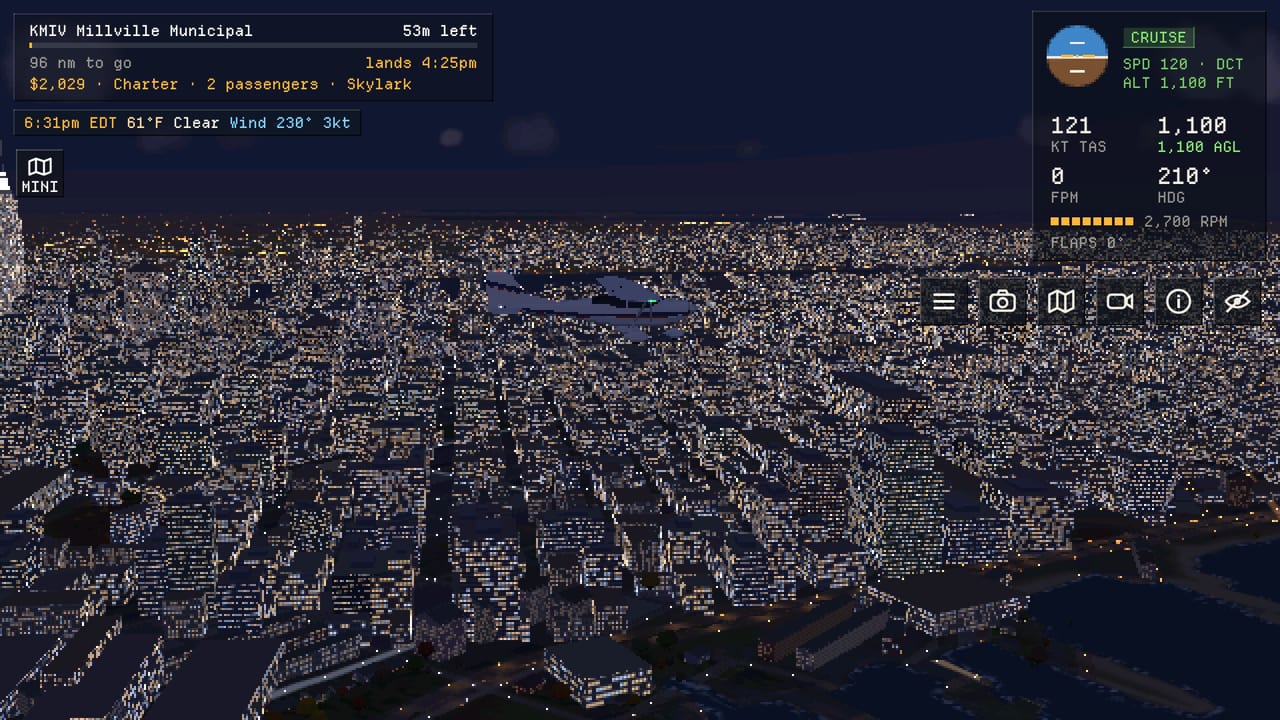
November 2026 is a landmark window for Pocket Pilots: a Steam launch on 17 November 2026, plus two dense 1.0 builds that reshaped licenses, night flying, map readability, maritime pads, and how you read a flight in progress. This page consolidates Version 1.0 (40) (11 November) and Version 1.0 (41) (12 November), then translates the notes into career advice. Sibling fleet stories live under Helicopters Update, Heavy Jets, and Regional Jets; the index sits on the Updates Hub.
Steam release — 17 November 2026
Pocket Pilots arrived on Steam alongside the existing mobile and browser paths, with the same free-to-play career fantasy: real-world map, live weather, real-time flights, and cross-device careers. For wiki readers, the practical takeaway is platform choice, not a different ruleset. Companies, licenses, and hangars still point at one shared sky. If you are recruiting friends, mention Steam in invite pitches so new pilots pick the client they will actually keep open during long legs.
Treat the Steam date as a soft reset for attention — expect denser traffic in popular scenic corridors and more company formation chatter — while your personal license order stays the same. Revisit Licenses if tilt-rotor or helicopter tickets were still on your backlog when the patch wave landed.
Version 1.0 (40) — 11 November 2026
Headline items from the (40) notes:
- Tilt rotor aircraft and license — a new ticket and airframe class beside the fixed-wing and helicopter ladders.
- Enhanced night visuals — darker sessions become more readable and more photogenic.
- Fixes spanning terrain, taxiways, flyby sound, photos, liveries, and scrolling polish.
Career impact of the tilt-rotor license
Tilt-rotors sit in the awkward, wonderful middle: airplane cruise energy with vertical-capable field access once you hold the rating. The license is not a cosmetic badge. Like bush, twin, turboprop, jet, and helicopter tickets, it gates what you can operate. Do not empty the hangar fund on tilt-rotor metal before the rating is earned; grind the ticket, then buy. Details and ordering advice remain on the Licenses guide.
For companies, decide early whether tilt-rotor is a shared specialist or a personal flex. One well-placed tilt-rotor at a mixed runway/pad region can cover awkward boards that neither a pure jet nor a pure helicopter loves. Three redundant purchases before anyone finished the license waste the November cash spike from Steam curiosity traffic.
Night flying and photo tips
Enhanced night visuals reward pilots who already chase screenshots. Practical habits after (40):
- Schedule at least one evening leg per week so you learn how your home region reads after dark.
- Recheck taxiway and terrain cues on familiar airports; fixes in (40) may change how approaches feel even on routes you know.
- Use night flights for livery showcases — company colors pop differently under the new lighting.
- Keep photo muscle memory: flights continue in real time while you are away, but watching a night arrival is half the fantasy the patch sold.
Night work does not replace daylight money runs. It adds a mood lane the same way barn finds add a soul lane.
Version 1.0 (41) — 12 November 2026
The next-day build focused on map and flight UI plus a long fix list:
- New map plane markers — easier to spot traffic and company metal in the shared sky.
- More ships with helipads — maritime landing options expand for rotor pilots.
- Flight progress bar marks climb, descent, and stops — clearer phase awareness on real-time legs.
- Dozens of fixes across photos, airports, standings, liveries, and replays.
Map markers for shared sky and companies
Plane markers are quality-of-life with social teeth. In a busy company corridor you can finally read who is where without relying only on chat. Use markers to:
- Avoid stacking three heavies on the same short scenic strip during a world event.
- Spot a shared twin already inbound so you dispatch a helicopter feeder instead.
- Teach new recruits how dense the live map really is near hubs like coastal megas or Alpine favorites.
Markers do not remove the need for dispatch manners; they make manners enforceable.
Ships with helipads — helicopter synergy
More ships with helipads deepen the rotor fantasy introduced in the Helicopters Update. Petrel-class offshore thinking suddenly has more pins on the water. Pair this patch with the gameplay Helicopters guide: learn pads on Hummingbird or Kingfisher, then send volume rotors when maritime jobs actually appear on your board.
Fixed-wing pilots should not ignore the note. Company fleets that mix a coastal jet hub with a rotor on standby can now stage sea legs without ferrying inland for every pad. Airport choice tools on Airport Picker still matter for runways; ships extend the pad graph beyond static roofs and rigs.
Progress bar: climb, descent, and stops
Real-time flights always asked you to feel phases in your head. The progress bar now marks climb, descent, and stops explicitly. Use it to:
- Plan when you can step away versus when you want to watch a scenic descent.
- Coordinate company handoffs — “I am in cruise for another hour” becomes easier to say accurately.
- Time photo passes for descent into landmarks instead of guessing from the clock alone.
- Teach new Steam pilots that Pocket Pilots is not an instant-travel sim; phases have duration.
Combine the bar with live weather awareness. A long climb into icing-looking conditions is a different evening than a gentle descent under clear stars with the new night visuals.
How these patches sit next to fleet updates
November’s systems patches complement, rather than replace, the fleet drop articles:
- Rotor career and pad access — Helicopters Update
- Condor / Albatross / Kestrel late game — Heavy Jets
- Swift, Zephyr, Pelican, Heron mid-fleet — Regional Jets
Systems patches change how you see and schedule those airframes. Fleet pages change what you buy. Read both before a shopping spree.
Pilot checklist after the November wave
- Confirm Steam versus mobile/browser login for your primary play machine.
- Check tilt-rotor license progress before buying tilt-rotor metal.
- Fly one familiar route at night to learn the enhanced visuals.
- Zoom the map and learn the new plane markers near your home bases.
- Scan for ship helipads if you own or share helicopters.
- Watch the flight progress bar on your next long leg and note climb/descent timing.
- Skim fix-sensitive features you use daily — photos, liveries, replays, standings — in case old workarounds are obsolete.
November 2026 made Pocket Pilots easier to read in the dark, easier to share on the map, and clearer in flight — then handed Steam a wider door into the same career. Spend the clarity on better dispatch, not on impulse buys that skip licenses.
Frequently Asked Questions
Quick answers for Pocket Pilots careers, fleets, and companies.
When did Pocket Pilots launch on Steam?
Steam release landed on 17 November 2026, alongside the existing mobile and browser clients sharing the same career world.
What is new in Version 1.0 (40)?
Tilt rotor aircraft and license, enhanced night visuals, and fixes for terrain, taxiways, flyby sound, photos, liveries, and scrolling.
What did Version 1.0 (41) add?
New map plane markers, more ships with helipads, a flight progress bar that marks climb, descent, and stops, plus dozens of fixes for photos, airports, standings, liveries, and replays.
Do I need a new license for tilt-rotor aircraft?
Yes. Tilt-rotor types are gated by their own rating. Earn the license before you spend hangar cash on the airframe.
How does the flight progress bar help?
It shows climb, descent, and stops on real-time flights so you can plan attention, photos, and company handoffs without guessing phases from the clock alone.