Pocket Pilots Heavy Jets & Big Metal
Condor, Albatross, Kestrel—and how Heron bridges you into airliner money.
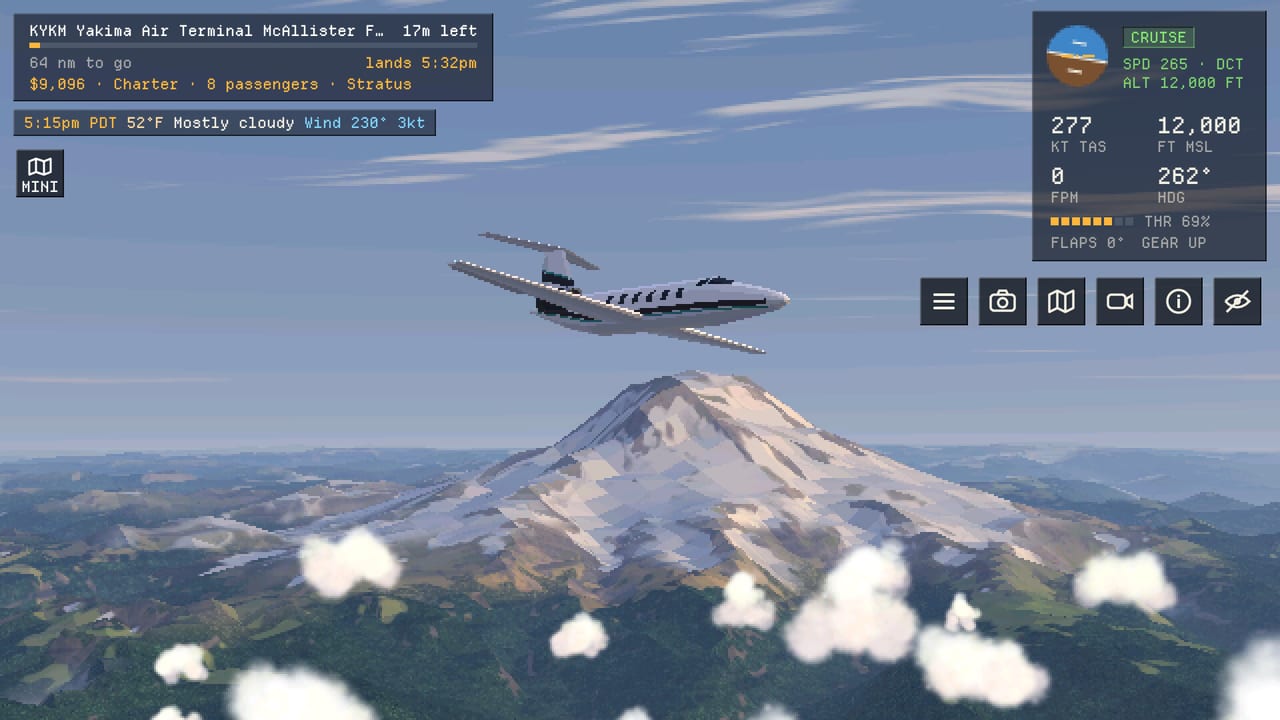
Heavy jets are the headline late-career flex in Pocket Pilots: four-engine jumbos, wide-body twins, and long-haul seat counts that only make sense when airports, licenses, and preferably a company line up. NimbleBit’s public shorts describe Condor as a ~400-seat four-engine jumbo, Albatross as a ~300-seat wide-body twin, and Kestrel as ~200 seats capable of ocean-to-ocean work. Nearby fleet drops also pushed Heron, a ~76-seat turboprop airliner that is quick for a prop and frugal on short hops—not a jumbo, but the bridge many careers need before true heavies. This article captures those roles and how to buy without wrecking your cash flow. Compare rankings on Best Planes and scan other drops from the Updates Hub.
Why heavies matter
- They turn major hub airports into money printers when passenger boards fill.
- They give companies a shared flagship identity.
- They change base strategy: you want long runways and dense international demand.
- They punish impulsive solo buys—empty wide-bodies are expensive lawn ornaments.
Helicopters still own pads; see Helicopters Update. Heavies own the opposite problem: too much airplane for tiny fields.
Condor — four-engine jumbo (~400 seats)
Condor is the “classic jumbo” fantasy. Use it when your company can stage at large airports and keep seats warm with big charters or event spikes. Treat Condor as a group asset: one airframe, many dispatchers, clear rules about who may send it halfway around the world before bedtime.
If your shared bases are mostly scenic strips or Alpine pads, skip Condor until you add a real hub. Airport Picker can help nominate that hub without abandoning everyone’s favorite scenic home.
Albatross — wide-body twin (~300 seats)
Albatross sits under Condor on seat count but still demands serious runway and passenger volume. Twin-engine wide-body framing suggests a slightly more flexible long-haul tool than a four-engine flagship, but you should still verify in-game field limits. Rank Albatross as the practical company wide-body when Condor feels like overkill yet Zephyr/Pelican no longer scratch the itch.
Kestrel — ~200 seats, ocean to ocean
Kestrel’s pitch is range and transoceanic charters at a seat count below the true jumbos. That makes it a smart first heavy for many groups: large enough to feel late-game, small enough (relatively) to fill more often. Solo pilots with strong licenses and a coastal mega-airport may justify Kestrel before involving ten friends—but company ownership still multiplies value.
Heron — turboprop airliner bridge (~76 seats)
Heron is not a heavy jet, yet it belongs in this conversation because NimbleBit sold it as a quick, frugal short-hop airliner with multiple liveries. Careers that jump straight from Bushmaster to Condor often stall. Heron (and regional jets like Zephyr or short-strip Pelican) teach airliner dispatch habits: fill rates, schedule rhythm, and hub selection. Buy Heron-class metal when your region is dense with short city pairs; keep it even after heavies arrive for the hops jumbos should never take.
Related non-jumbo jets worth remembering
Recent drops also highlighted Swift (five-seat personal jet, short strips), Zephyr (~50-seat regional), and Pelican (four engines, ~85 seats, short steep runways). They are not heavies, but they steal jobs from underfilled Condors. A healthy hangar mixes them—see the planes tier list—rather than worshipping only the largest silhouette.
Buying checklist for heavy metal
- Confirm license unlocks and cash buffer for downtime.
- Nominate at least one company hub with long runways.
- Check whether company mates already own a competing heavy.
- Keep a regional jet or Heron for thin days.
- Budget ferry time; real-time flights mean a misplaced jumbo is a multi-hour mistake unless you spend jumps.
- Re-read this page after future fleet shorts so seat counts and roles stay accurate.
Company doctrine
- One flagship rule — avoid three Condors and zero hoppers.
- Paint & name — optional house livery keeps screenshots coherent without forcing Pilots Club on F2P members.
- Event discipline — weekly world events may tempt you to park a jumbo at a landmark field that cannot love it; send Swift or a helicopter instead.
- Recruiting — when you advertise invite codes, mention that you operate heavies so new pilots know the culture.
How heavies interact with the rest of the wiki
- Tier placement and speed-vs-capacity tradeoffs: Best Planes
- Rotor alternatives for special landing spots: Best Helicopters
- Community expectations: Players Hub
- Official media and stores: Links Hub
Bottom line
Condor, Albatross, and Kestrel are real late-game destinations, not day-one goals. Earn them with licenses, hub discipline, and company coordination. Use Heron and the regional jets as the on-ramp. When NimbleBit drops the next silhouette over Golden Gate or Southern Alps footage, ask the same questions—seats, engines, runways, overlap—before you tap buy.
Heavy metal is glorious when full and awkward when idle. Fill it, share it, and keep a smaller plane ready for everything else.
Frequently Asked Questions
Quick answers for Pocket Pilots careers, fleets, and companies.
What heavy jets did NimbleBit highlight?
Condor (~400-seat four-engine jumbo), Albatross (~300-seat wide-body twin), and Kestrel (~200 seats with ocean-to-ocean range).
Is Heron a heavy jet?
No. Heron is a ~76-seat turboprop airliner that bridges regional flying before true heavies.
Should a solo player buy Condor?
Only with strong licenses, a major hub home, and confidence you can fill it. Most pilots are happier sharing Condor inside a company.
Do heavy jets replace helicopters?
No. Heavies need runways and volume; helicopters own pads and tight scenic sites. Keep both roles in a serious fleet.